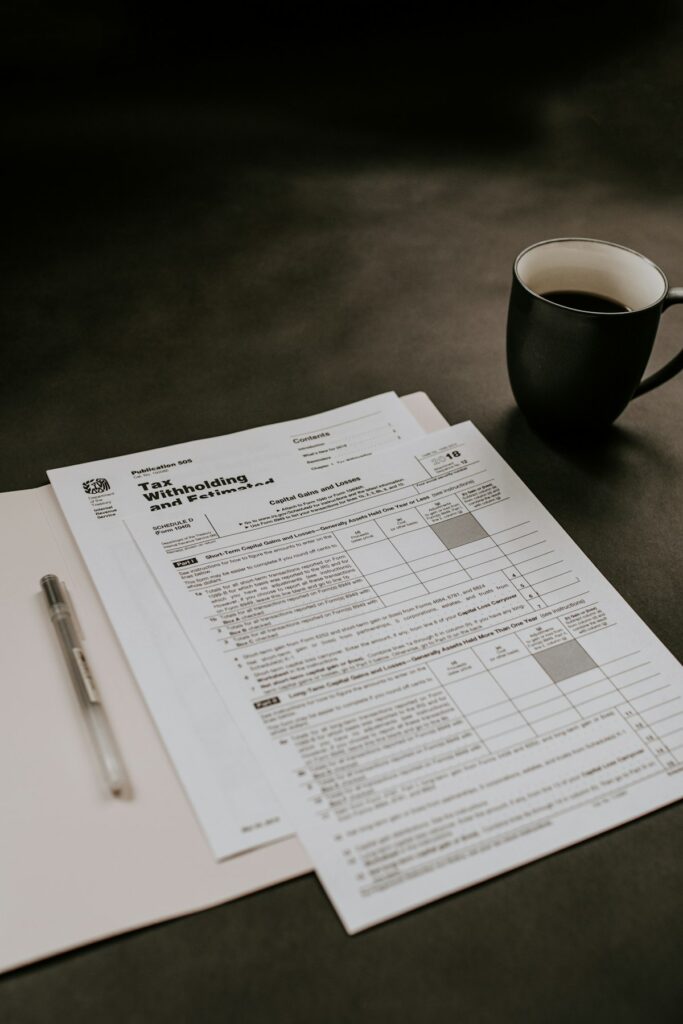
Origination fees can add hundreds — sometimes thousands — of dollars to the cost of a personal loan before you even receive the money. In 2026, several top lenders have eliminated these upfront fees entirely, making their loans significantly more affordable. This guide explains what origination fees are, how much they cost, and which lenders currently offer the best no-fee personal loans.
What Is an Origination Fee?
An origination fee is a one-time charge some lenders collect for processing your loan application. It’s typically deducted from your loan proceeds before they’re deposited in your account, or added to your loan balance. Origination fees typically range from 1% to 8% of the loan amount.
For example, if you borrow $20,000 and the lender charges a 3% origination fee, you receive only $19,400 — but you still pay interest on the full $20,000. On a $20,000 loan, that fee alone costs $600 before any interest.
Best Personal Loans With No Origination Fee in 2026
| Lender | APR Range | Loan Amount | Min. Credit Score | Funding Speed |
|---|---|---|---|---|
| LightStream | 6.99%–25.49% | $5,000–$100,000 | 695 | Same day |
| SoFi | 8.99%–29.99% | $5,000–$100,000 | 680 | 1–3 days |
| Discover Personal Loans | 7.99%–24.99% | $2,500–$40,000 | 660 | Next business day |
| PenFed Credit Union | 7.99%–17.99% | $600–$50,000 | 650 | 1–2 days |
| Earnest | 8.99%–25.99% | $1,000–$250,000 | 650 | 1–3 days |
How Much Can You Save by Avoiding Origination Fees?
The savings from choosing a no-fee lender are significant, especially on larger loan amounts:
| Loan Amount | 1% Fee | 3% Fee | 5% Fee | 8% Fee |
|---|---|---|---|---|
| $5,000 | $50 | $150 | $250 | $400 |
| $10,000 | $100 | $300 | $500 | $800 |
| $20,000 | $200 | $600 | $1,000 | $1,600 |
| $50,000 | $500 | $1,500 | $2,500 | $4,000 |
On a $30,000 debt consolidation loan with a 5% origination fee, you’d pay $1,500 before receiving any money. Choosing a no-fee lender like SoFi or LightStream eliminates this cost entirely — and can mean a lower effective interest rate even if the stated APR is similar.
Why Do Some Lenders Charge Origination Fees?
Lenders that charge origination fees typically do so to:
- Compensate for higher-risk lending (subprime borrowers are more likely to default)
- Cover administrative costs for more complex underwriting
- Make up for lower stated interest rates (a loan with a low APR but high fees may cost more overall)
This is why comparing the APR (which includes fees) rather than just the interest rate is critical. A lender offering 8% interest with a 4% origination fee may actually cost more than a lender offering 11% with no fees.
The True Cost: APR vs. Interest Rate
Consider this example: You borrow $10,000 for 3 years.
- Lender A: 9% interest rate, 4% origination fee ($400) → Effective APR: ~12.1% | Total cost: $11,616
- Lender B: 11% interest rate, 0% origination fee → Effective APR: 11% | Total cost: $11,622
In this case, Lender B (higher rate, no fee) costs almost exactly the same as Lender A — but you receive the full $10,000 upfront rather than $9,600. Always compare APR, not just stated interest rates.
Other Fees to Watch Out For
Even with no origination fee, verify the lender doesn’t charge:
- Prepayment penalties: Fees for paying off your loan early (rare but still exists with some lenders)
- Late payment fees: Typically $15–$39 per late payment
- Returned payment fees: Charged when a payment is rejected (NSF fee)
- Application fees: Unusual for personal loans but charged by some smaller lenders
Who Qualifies for No-Origination-Fee Loans?
No-fee personal loans are typically reserved for borrowers with good to excellent credit (660+). Lenders like LightStream require scores of 695+. If your credit score is below 640, you may find that fee-charging lenders are your primary options — though it’s still worth checking credit unions and local community banks.
How No-Origination-Fee Loans Actually Compare: Full Cost Analysis
The absence of origination fees doesn’t automatically make a loan the best deal — the APR might be slightly higher to compensate for the waived fee. Here’s how to calculate the true cost comparison: Take Lender A, which offers $15,000 at 9.5% APR with a 2% origination fee ($300). Your effective loan amount received is $14,700, but you repay $15,000 + interest. Lender B offers $15,000 at 10.5% APR with no origination fee. You receive the full $15,000.
Over 36 months: Lender A total interest = $2,309, plus $300 origination = $2,609 total cost. Lender B total interest = $2,567, no fee = $2,567 total cost. Despite having a lower interest rate, Lender A costs $42 more because of the origination fee. The longer the loan term, the more the rate difference matters and the less the origination fee matters. For 60-month loans, a 1% lower APR generally outweighs a 2-3% origination fee.
Top Lenders with No Origination Fees: 2026 Comparison
| Lender | APR Range | Loan Amounts | Min Credit Score | Funding Speed |
|---|---|---|---|---|
| LightStream | 6.49%–25.49% | $5K–$100K | 695 | Same day (if approved by 2:30 PM ET) |
| SoFi | 8.99%–29.99% | $5K–$100K | 650 | 1–3 business days |
| Discover Personal Loans | 7.99%–24.99% | $2.5K–$40K | 660 | Next business day |
| PenFed Credit Union | 8.99%–17.99% | $600–$50K | 700 | 1–2 business days |
When an Origination Fee Might Be Worth Paying
Not all origination fees are bad. If a lender charges a 1-2% origination fee but offers a rate 3-4 percentage points lower than no-fee lenders, the math often favors the lower rate (especially for larger loans or longer terms). Run the total cost calculation for each option. Also consider that some lenders deduct the origination fee from your loan proceeds — if you need a specific amount for your purpose, you may need to borrow slightly more to account for the fee.
Frequently Asked Questions
Do no-origination-fee loans have higher interest rates?
Not necessarily. Lenders like SoFi and LightStream offer competitive rates without fees, especially for borrowers with strong credit profiles. The key is comparing the full APR, which accounts for all costs.
Is LightStream the best no-fee personal lender?
LightStream consistently ranks among the best for borrowers with excellent credit (695+), offering some of the lowest rates in the market and same-day funding. However, they don’t offer pre-qualification, which means checking your rate requires a hard credit inquiry.
Can I negotiate the origination fee?
Sometimes, especially with traditional banks and credit unions. Showing a competing offer from a no-fee lender gives you leverage. Online lenders typically have automated pricing and don’t negotiate fees.
How to Find and Verify No-Fee Loan Offers
When lenders advertise “no origination fee,” verify this claim carefully during the application process. Some lenders have no standard origination fee but charge fees to certain borrowers based on credit risk during the underwriting process. Always review your actual loan offer (not the advertised range) before accepting to confirm the fee structure matches what was advertised.
Pre-qualification tools make this easy — you can get a customized quote from multiple lenders (using soft inquiries that don’t affect your credit score) and compare both the rate AND fee structure before submitting any formal application. Target at least 4–5 pre-qualifications from a mix of online lenders, credit unions, and your existing bank. Credit unions in particular often provide excellent rates with low or no fees for members.
The Bottom Line: Always Calculate Your Total Loan Cost
The smartest way to compare personal loan offers is to calculate the total dollar amount you’ll repay across the full loan term. Add up all monthly payments, then add any origination fee you’ll pay. That total is the real price of the loan. A no-origination-fee lender at 11% APR often costs less in total than a lender at 9% with a 4% fee, depending on your loan amount and term.
In 2026, the best no-fee personal loan lenders have become highly competitive, and borrowers with good credit (660+) have genuine options for quality financing without paying unnecessary upfront costs. Take the time to compare — 30 minutes of comparing quotes at multiple lenders can realistically save you $300–$1,500 over the life of your loan, which is a remarkable return on time invested.
Related reading: Personal Loan Fees Explained
Sources
- CFPB — What to know about getting a personal loan — Federal consumer regulator guidance.
- Federal Reserve — G.19 Consumer Credit release — Official average finance rates.
- CFPB Consumer Complaint Database — Search complaint history for any lender.
Last reviewed August 4, 2026. Financessentials accepts no commission or affiliate revenue from any lender. This article is general information, not financial advice — see our editorial methodology for how we research, verify and correct what we publish.